
Astronomy I flashcards
- Level 1
- English
- 10 cards
Learn Astronomy with 10 free flashcards (level 1): meanings, example sentences, pictures and audio pronunciation. Includes Planets, Astronaut, Moon, Sun and more.
Study this BrainPod in Braintain. Spaced repetition brings each card back right before you forget it.
Get the free appAll 10 cards
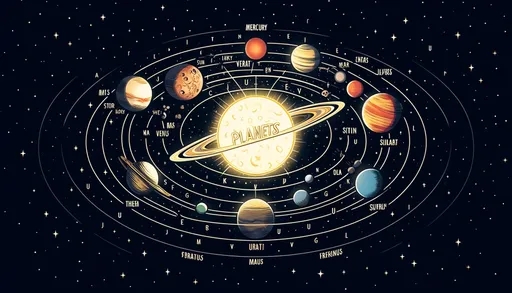
Planets
Major celestial bodies orbiting the Sun in our Solar System.
“There are eight recognized planets in our Solar System, including Earth.”
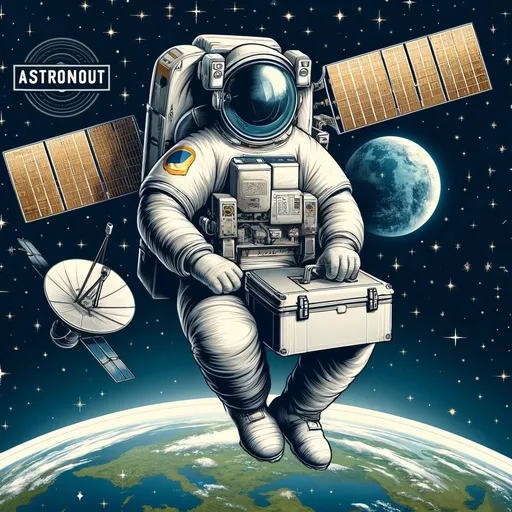
Astronaut
A person trained to travel and perform tasks in space.
“Neil Armstrong, the first astronaut to walk on the Moon, is very famous.”
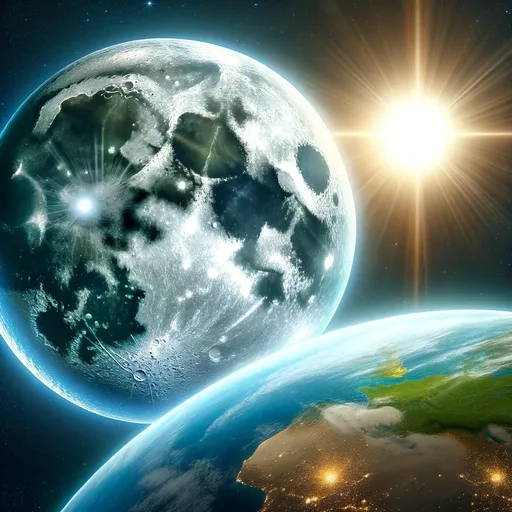
Moon
The natural satellite orbiting the Earth, visible by reflected light from the Sun.
“The Moon's gravitational pull has significant effects on Earth's tides.”
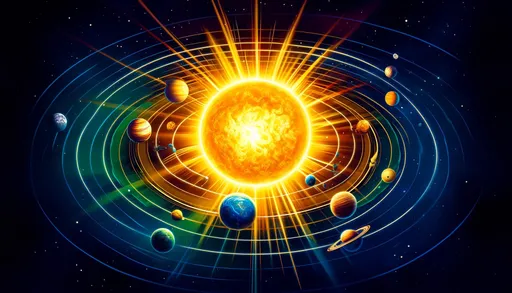
Sun
The star at the center of our Solar System.
“The Sun provides the necessary light and warmth to sustain life on Earth.”
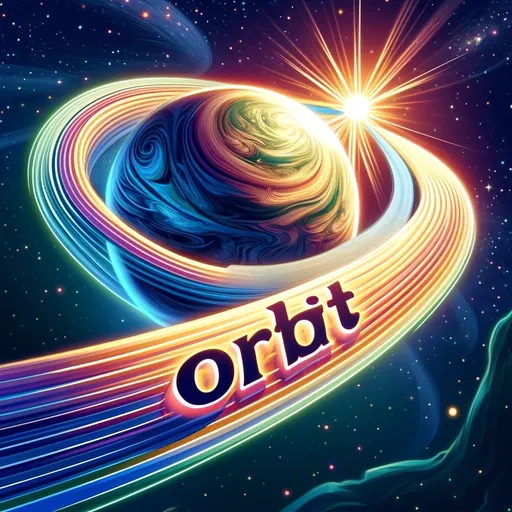
Orbit
The curved path of a celestial object around a star, planet, or moon.
“The Earth's orbit around the Sun takes approximately one year.”
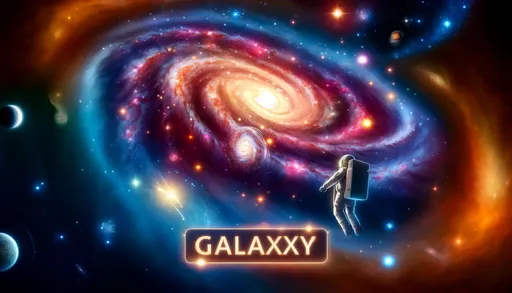
Galaxy
A massive system of stars, stellar remnants, interstellar gas, dust, and dark matter.
“The Milky Way is the galaxy that contains our Solar System.”
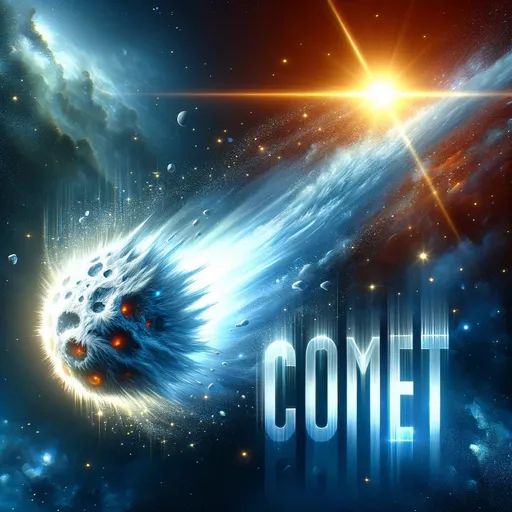
Comet
A celestial object consisting of a nucleus of ice and dust that, when near the Sun, displays a visible atmosphere and sometimes a tail.
“Halley's Comet is one of the most famous comets that can be seen from Earth.”

Telescope
An optical instrument designed to make distant objects appear nearer, containing an arrangement of lenses or mirrors.
“We used the telescope to observe the craters on the moon.”
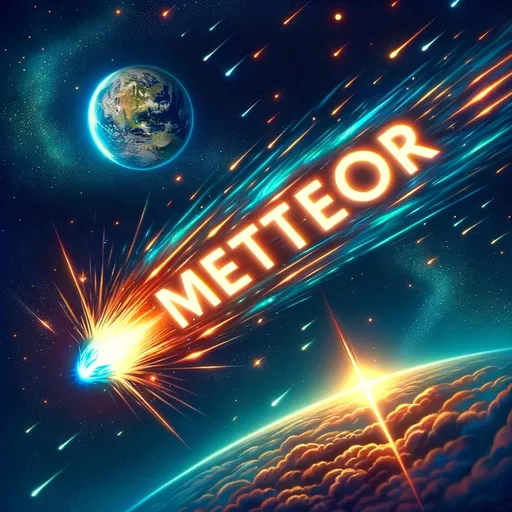
Meteor
A small body of matter from outer space that enters the Earth's atmosphere, appearing as a streak of light.
“Last night, I saw a meteor streak across the sky, leaving a bright trail behind it.”
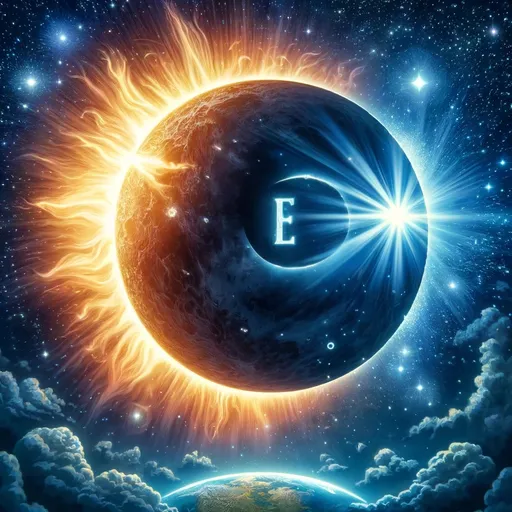
Eclipse
An event in which the shadow of one celestial body falls on another.
“During the solar eclipse, the moon completely covered the sun, casting a shadow over the Earth.”