
Endogenous Growth Theory: meaning and example

English
Endogenous Growth Theory
A theory that economic growth is generated from within a system as a direct result of internal processes.
“Endogenous Growth Theory emphasizes the role of technological innovation and knowledge in driving economic growth.”
From the free BrainPod Economics III.
Try 5 cards right here. Guess the meaning, the same way you study in the app. No account needed.
More words from Economics III
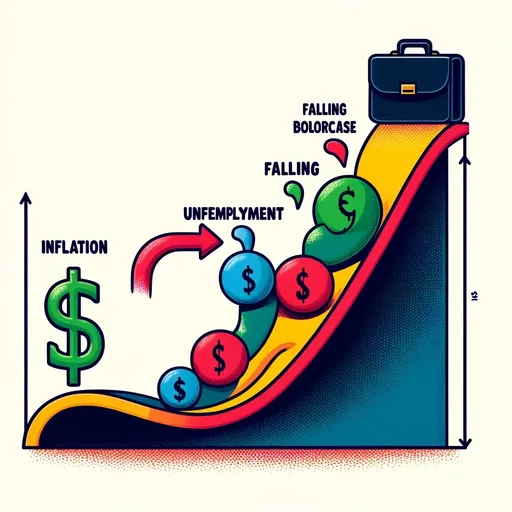
Phillips Curve
A theory that suggests an inverse relationship between the rate of inflation and the rate of unemployment.

Tragedy of the Commons
A situation in a shared-resource system where individual users act independently according to their own self-interest and behave contrary to the common good of all users by depleting or spoiling the shared resource through their collective action.

Rational Expectations Theory
The theory that people optimally use all available information, including information about current and future policy, to forecast the future.

Hedonic Pricing
A model that identifies price factors according to the premise that price is determined both by internal characteristics of the good being sold and external factors affecting it.
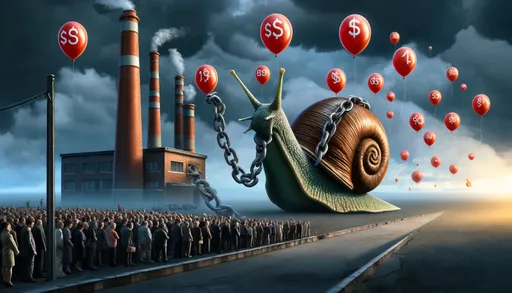
Stagflation
A condition of slow economic growth and relatively high unemployment – a time of stagnation – accompanied by a rise in prices, or inflation.
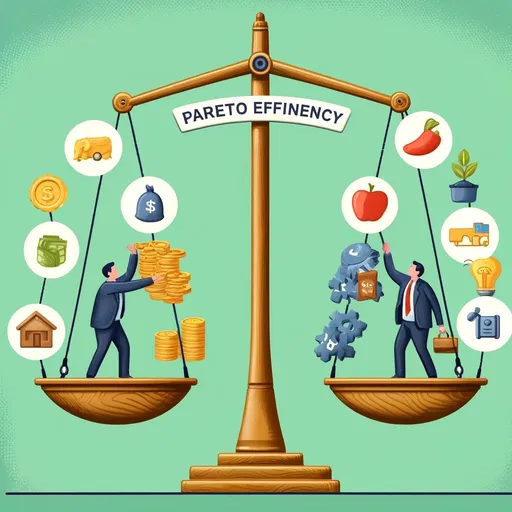
Pareto Efficiency
A state of allocation of resources in which it is impossible to make any one individual better off without making at least one individual worse off.
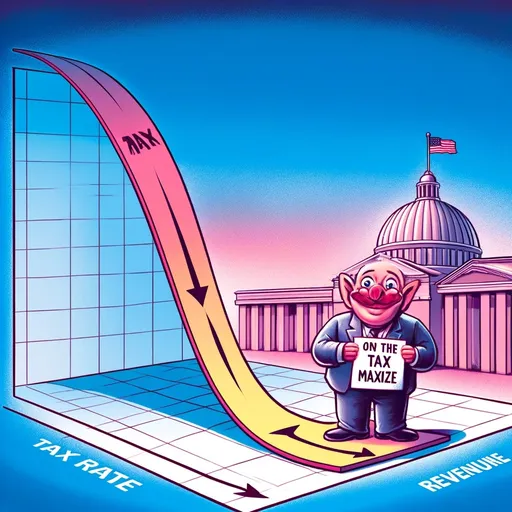
Laffer Curve
A representation of the relationship between rates of taxation and the resulting levels of government revenue.

Structural Unemployment
Unemployment resulting from industrial reorganization, typically due to technological change, rather than fluctuations in supply or demand.
