

Inventions II flashcards
- Level 2
- English
- 10 cards
Learn Inventions with 10 free flashcards (level 2): meanings, example sentences, pictures and audio pronunciation. Includes Transistor, Dynamite, X-rays, Jet Engine and more.
Study this BrainPod in Braintain. Spaced repetition brings each card back right before you forget it.
Get the free appAll 10 cards

Transistor
A semiconductor device used to amplify or switch electronic signals and electrical power.
“The invention of the transistor revolutionized the field of electronics.”
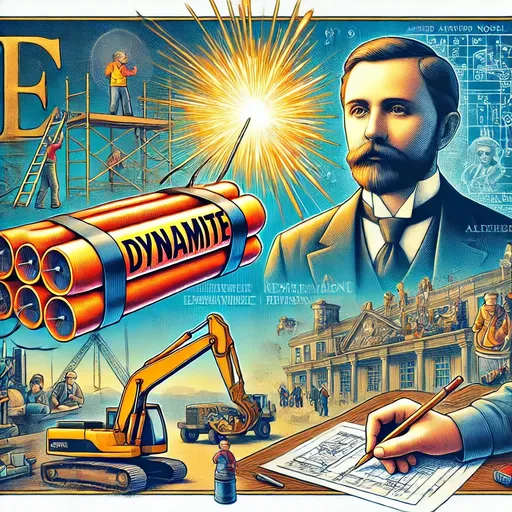
Dynamite
An explosive material invented by Alfred Nobel, commonly used in construction and demolition.
“The use of dynamite revolutionized the construction industry by providing a powerful means to break through rock and earth.”

X-rays
A form of electromagnetic radiation that can pass through solid objects, including the body, used in medicine and industry to view internal structures.
“The doctor ordered a series of X-rays to better understand the condition of the patient’s bone.”
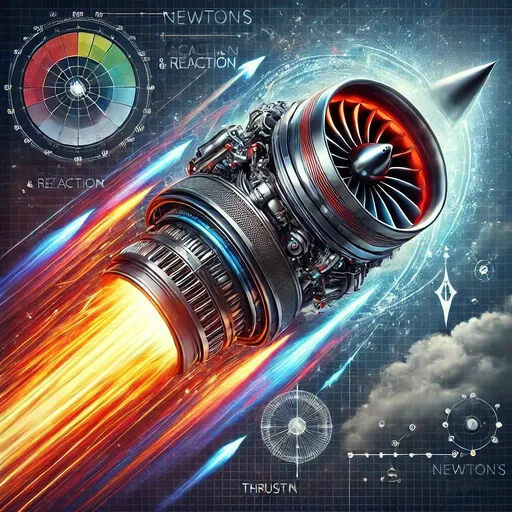
Jet Engine
A type of reaction engine discharging a fast-moving jet of fluid to generate thrust according to Newton's laws of motion.
“The new commercial airplane uses a more efficient jet engine to reduce fuel consumption.”

Polio Vaccine
A vaccine developed to prevent poliomyelitis, a disease that can cause paralysis and death.
“The global eradication of polio became possible because of the widespread use of the polio vaccine.”

Antiseptic
Substances that prevent the growth of disease-causing microorganisms.
“Before treating the wound, the nurse applied an antiseptic to prevent infection.”
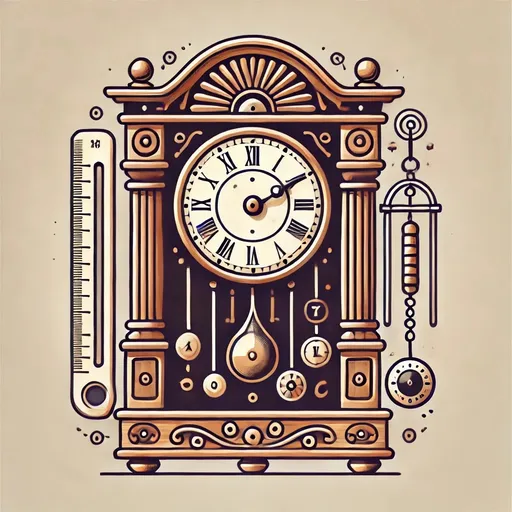
Pendulum Clock
A clock that uses a pendulum as its timekeeping element, known for its accuracy in time measurement.
“The grandfather clock in the hallway is a classic example of a Pendulum Clock, known for its precise timekeeping.”

Steam Locomotive
A railway locomotive that produces its pulling power through a steam engine.
“The museum has a beautifully restored steam locomotive on display.”
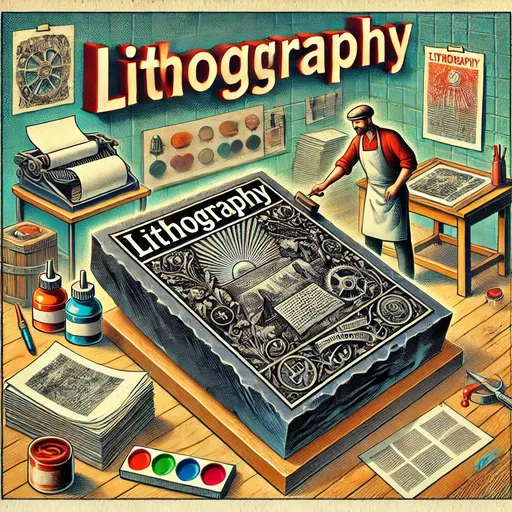
Lithography
A printing process that uses a flat stone or metal plate on which the image areas are treated to retain ink.
“The artist used lithography to produce a series of beautiful prints on flat stones.”
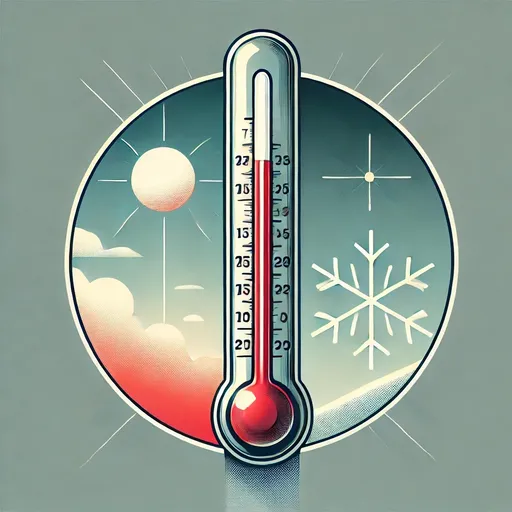
Thermometer
An instrument for measuring and indicating temperature.
“The nurse used a thermometer to check the patient's temperature before administering any medication.”