

Inventions I flashcards
- Level 1
- English
- 10 cards
Learn Inventions with 10 free flashcards (level 1): meanings, example sentences, pictures and audio pronunciation. Includes Light Bulb, Telephone, Penicillin, Printing Press and more.
Study this BrainPod in Braintain. Spaced repetition brings each card back right before you forget it.
Get the free appAll 10 cards

Light Bulb
An electric lamp producing light by the use of a filament heated to incandescence by an electric current.
“The invention of the light bulb is often attributed to Thomas Edison.”

Telephone
A device that allows two or more users to conduct a conversation when they are too far apart to be heard directly.
“After moving to the new town, we had to set up our telephone service to keep in touch with family and friends.”
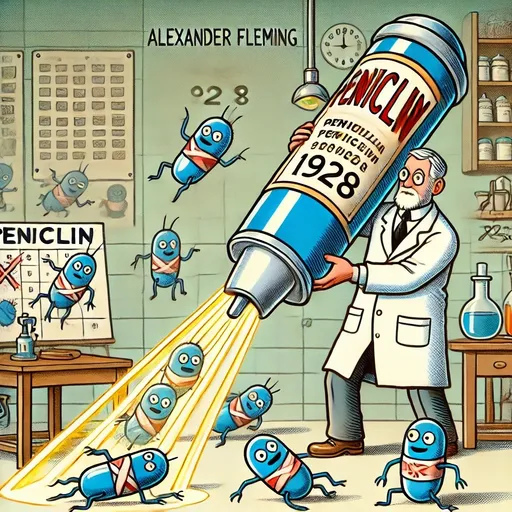
Penicillin
The first antibiotic, discovered by Alexander Fleming in 1928, used to treat various bacterial infections.
“The discovery of penicillin revolutionized the treatment of bacterial infections.”
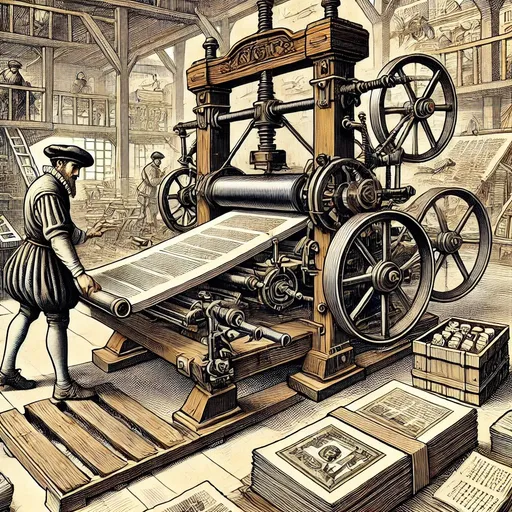
Printing Press
A machine for printing text or pictures from type or plates, revolutionizing the spread of information.
“The invention of the printing press significantly increased the availability and distribution of books in the 15th century.”

Airplane
A powered flying vehicle with fixed wings and a weight greater than that of the air it displaces.
“The passengers boarded the airplane eagerly, excited for their journey.”

Automobile
A wheeled motor vehicle used for transportation, a crucial development in the history of transportation.
“The invention of the automobile revolutionized the way people travel long distances.”

Internet
A global network of interconnected computers that communicate freely and share and exchange information.
“The invention of the Internet has revolutionized communication and information sharing.”

Camera
A device for recording visual images in the form of photographs, film, or video signals.
“The photographer adjusted the settings on his camera before taking the picture.”

Vaccination
The administration of a vaccine to help the immune system develop protection from a disease.
“Getting a vaccination is one of the most effective ways to prevent certain diseases.”

Computer
An electronic device capable of receiving data, processing this data using a program, and presenting the results as information.
“She used her computer to finish the project before the deadline.”