

Economics II flashcards
- Level 2
- English
- 10 cards
Learn Economics with 10 free flashcards (level 2): meanings, example sentences, pictures and audio pronunciation. Includes Opportunity Cost, Fiscal Policy, Monetary Policy, Consumer Price Index (CPI) and more.
Study this BrainPod in Braintain. Spaced repetition brings each card back right before you forget it.
Get the free appAll 10 cards

Opportunity Cost
The loss of potential gain from other alternatives when one alternative is chosen.
“Choosing to spend money on a vacation means the opportunity cost is what you could have otherwise invested or saved.”

Fiscal Policy
Government adjustments in spending levels and tax rates to monitor and influence a nation's economy.
“In a recession, the government may increase spending or reduce taxes to stimulate the economy.”

Monetary Policy
The process by which the monetary authority of a country controls the supply of money, often targeting an inflation rate or interest rate to ensure price stability and general trust in the currency.
“To combat inflation, the central bank might raise interest rates through tighter monetary policy.”

Consumer Price Index (CPI)
A measure that examines the weighted average of prices of a basket of consumer goods and services, such as transportation, food, and medical care.
“An increase in the CPI indicates rising cost of living, affecting consumer purchasing power.”

Balance of Trade
The difference between a country's imports and its exports.
“A positive balance of trade, or trade surplus, occurs when a country exports more than it imports.”
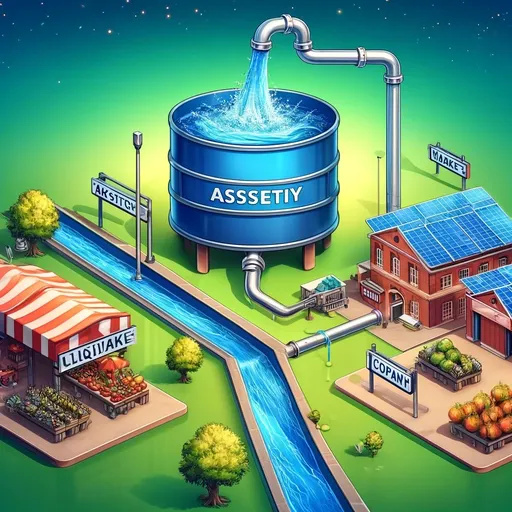
Liquidity
The availability of liquid assets to a market or company.
“High liquidity means a company can easily meet its short-term liabilities.”

Marginal Cost
The cost of producing one additional unit of a product.
“If the marginal cost is lower than the selling price, producing more units can be profitable.”

Elasticity
A measure of a variable's sensitivity to a change in another variable.
“If demand for a product is highly elastic, a small change in price can lead to a large change in the quantity demanded.”

Gross National Product (GNP)
The total value of goods produced and services provided by a country during one year, including income from abroad.
“GNP includes the earnings of a country's residents and businesses, whether they're located in the country or abroad.”
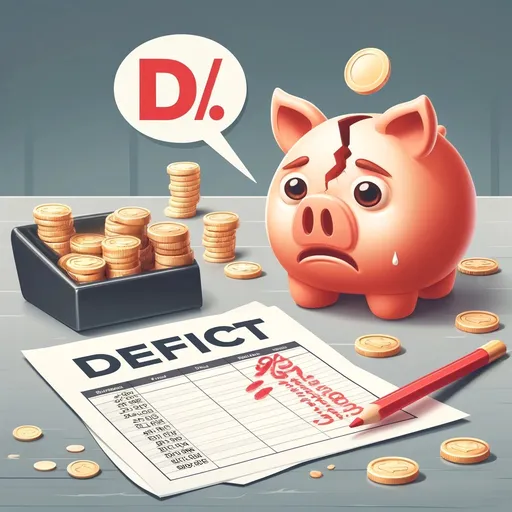
Deficit
The amount by which something, especially a sum of money, is too small.
“A budget deficit occurs when a government spends more money than it receives in revenue.”